White vinegar is another commonly used home remedy, especially around damp areas. It is sometimes used around swimming pools, garden ponds, damp foundations, basements, patios, or shady areas.
Vinegar has a strong acidity and a pungent odor. It is thought that it can disrupt the snake's ability to "read" chemical signals in the air and make the place less pleasant for it.
It can have a temporary effect when used quickly and spot-on. For example, if you want to treat a specific small area around an entrance or a damp spot. But vinegar is not harmless to the garden.
White vinegar can act as a non-selective herbicide. This means that it can harm not only unwanted vegetation, but also beneficial plants. It can also change the acidity of the soil. Therefore, it is not wise to pour it liberally around flowers, vegetables, lawns, or ornamental shrubs.
4. Garlic and onions
Garlic and onions have a strong, pungent odor due to sulfur compounds. When they are cut, crushed, or minced, their aroma becomes even stronger. This is why they are often mentioned as possible natural snake repellents.
Some people place chopped garlic or onions around entrances, fences, basements, sheds, or places where they have seen snakes. Others make homemade sprays with garlic, onions, and water.
However, there is a major problem here. When these products start to decompose, they can attract insects, small animals, and pests. And these insects and rodents can be food for snakes. So instead of reducing the risk, you may inadvertently create an even more attractive environment.
Additionally, garlic and onions are dangerous to dogs and cats if ingested, so it's not a good idea to leave them in areas where pets have access.
And here it should be emphasized: there is no sufficiently reliable evidence that snakes will always avoid a place just because it smells of garlic or onions.
5. Citrus, lemongrass and citronella
Citrus scents, such as lemongrass and citronella, are popular in many natural insect repellents. They have a fresh, strong scent that people often like, but some insects avoid.
Lemongrass is particularly interesting because it can help reduce insects in the garden. And when there are fewer insects, there is less food for some small animals, which in turn can attract snakes. So the effect is more of an indirect one.
Citrus oils or dried peels can be used around patios, entrances or garden areas. But you should know that these scents degrade quickly. After rain, strong sun or watering, their effect decreases significantly. This means that they need to be renewed frequently.
Citronella can also be useful mostly against insects, but should not be considered a surefire defense against snakes.

This is The Best Fatbomb Fluff!!! It is my go-to when I'm craving something Chocolate and Sweet!! recipe in first comment🔽

“It looks like I’ve had plastic surgery!” A homemade remedy to improve the appearance of wrinkles and age spots on hands and arms. ✨ To keep receiving my recipes, just say… Thank you! 🙏 “It looks like I’ve had plastic surgery!” A homemade remedy to improve the appearance of wrinkles and age spots on hands and arms. ✨

“Warning: once you make these, you’ll be asked to bring dessert to every gathering.” Recipe in comments ⬇️
Peace lily, forget about water: water it with this and it will serve you forever Full recipe 👇👇
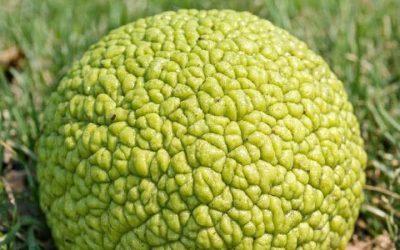
Stumbled upon this weird, bumpy green ball under the trees. It looks like a brain and is sticky to touch. What is it?. Full article 👇 💬